
Join our Summer intensive from June 9th – June 20th 2025.
Our Diploma of Ayurvedic therapies trains students in the use of Ayurvedic therapies as a healing modality. As part of this Diploma students will learn 10 Ayurvedic therapies, draw on Marma point therapy, learn the fundamentals of Ayurveda and use a range of Ayurvedic herbal oils & other topical ingredients.
This is a fun but intensive learning experience. It is more suited to students with massage experience as it moves at a faster pace. If you are looking for a slower paced Therapies Course, join our 12 month course



Qualification
Upon successful completion of this course, the student will receive a Diploma of Ayurvedic Therapies. This will entitle them to successfully apply for indemnity insurance and enable them to practice as an Ayurvedic Therapist.
Delivery methods: On site lectures & practical demonstrations, notes, handouts and workbooks.
Course structure: June 9-20th 2025 (with a break on June 14th & 15th)
Times: Daily from Monday to Friday from 10-5pm (some classes may start earlier or finish later but you will be notified in advance of any changes)
Examination: All students will be requested to attend a Student Clinic weekend 20 & 21st of September 2025. On this weekend students must demonstrate knowledge of the 10 therapies they have learned through verbal and practitcal demonstration.
Course Length: 3 months. This is divided into a 2 weeks intensive, a 3 month at home study and completion of case studies and a clinic/exam weekend.
Course fee: €2800 (Early bird €2400 – available until March 31st 2025)
Registration Fee/Deposit: € 500 (non refundable)
A registration fee/deposit is required to hold a place on the course. Registration fees are non refundable. In the exception of a course not commencing, all registration fees will be refunded.
Requirements
Written and verbal fluency in English are a requirement for this course.
Participants must be 21 or over.
ITEC level 3 or QQI level 5 Anatomy & physiology

Ayurvedic Therapies that will be taught on this course:
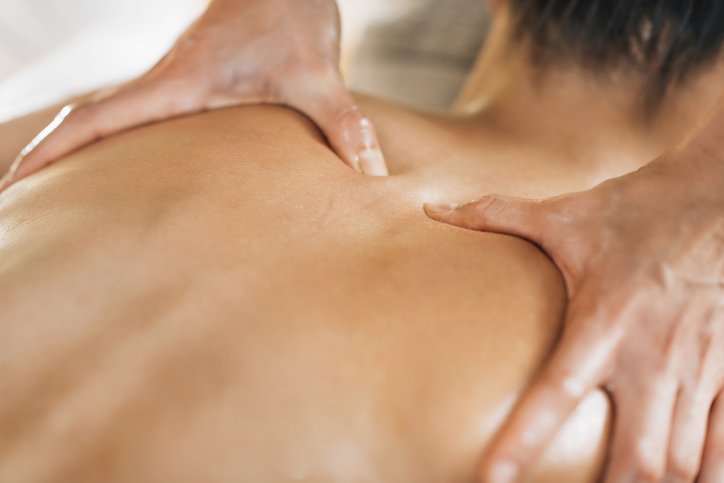
- Abhyanga– Ayurvedic Full body Massage. Abhyanga is the Sanskrit word for an oil massage given to the entire body and it comes under the category of Snehana therapies in Ayurveda. Abhyanga gently stimulates the muscles, joints and Marma points to leave you feeling energised and refreshed. Commencing with a cupping and kneading action to prepare the skin & muscles for the application of warm oil, the body is then systematically covered in warm oil and gentle, stimulating long strokes are applied to the muscles with short circular strokes to the joints.
- Karana Purana – Ear treatment using warm oil. Our senses are connected to the five elements. Hearing is connected to the space element, so it is a location where Vata collects. In Karana Purana or ear therapy, the ears are massaged and then filled with warm herbal oils which lubricate the delicate filaments of the ear canal, dislodging impurities and sharpening hearing. The treatment is very effective in reducing Vata in the body. It is especially recommended for jaw and neck tensions, ringing in the ears, Vata headaches, itching and dryness in the ears.
- Kati Basti– Lower back treatment. The Katti Basti begins with a lower back massage, the back is then wiped with warm water before a dough ring is placed on the lower back. It is applied to the lumbar-sacral area of the spine, which is a major site of Vata. The warm medicated oil is slowly poured onto the lower back in the dough ring. Katti basti has a wide use for any pain, strain, or tension in lower or upper back.
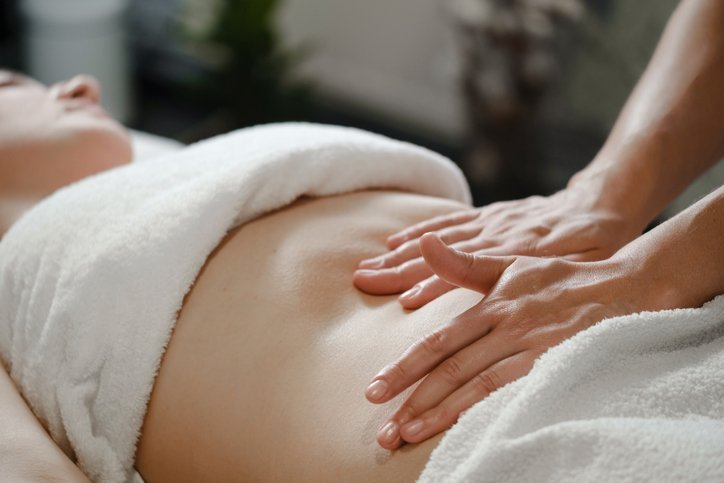
- Nabhi Vijnanam-Naval pulse correction Abdominal massage with warm oil followed by gentle stretches. For aches, pains and to ease the ill effects of any emotional and physical trauma you may have suffered.
- About this treatment: The abdominal area is often overlooked when it comes to massage but Ayurveda places great importance to massaging this area as the Nabhi (naval centre) is located here. This naval centre, according to Ayurveda & Yogic Sciences occupies the most important position in our bodies. Seventy-two-thousand Nadis are regulated by the Nabhi. Any imbalances in the Nabhi, due to emotional or physical trauma affect the entire physiology of the mind and body. If this centre is dislodged from its position, it can cause severe aches and pains, diarrhoea or constipation, tension etc. In this procedure the position of the Nabhi is checked and corrected with specific exercises and massage.
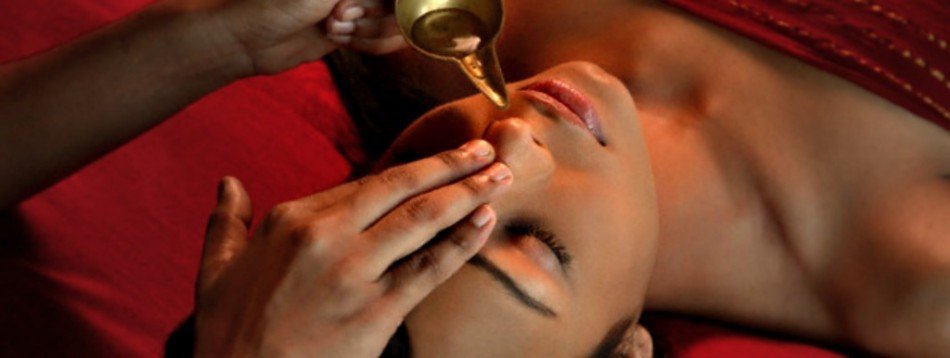
- Nasya: Nasya is one of the Panchakarmas (5 cleanses) mentioned in Ayurveda. Nasya therapy is a process wherein medicated herbs (decocted in oil or as a powder) are administered through the nostrils, this follows a face massage and steam. Since the nose is the gateway of the head, the therapy is highly effective in curing a number of diseases pertaining to the head, if it is performed systematically. The therapy cleanses and opens the channels of the head, thereby improving the process of oxygenation (prana), which has a direct influence on the functioning of brain. Nasya is beneficial if done on a regular basis, because it keeps the eyes, nose and ears healthy. It also prevents the early graying of hair.
- Benefits Of Nasya: The therapy enhances the activity of sense organs and protects the person from diseases pertaining to head (urdhwanga) . Early aging process is effectively prevented by the regular administration of Nasya (it keeps the brain alert & active).
- Mukha Abhyanga – Ayurvedic Face Massage using Marma points and suitable Ayurvedic oils
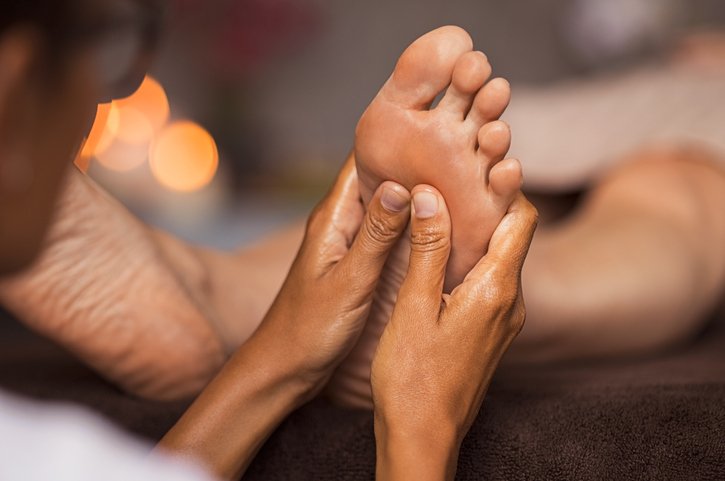
- Pad Abhyanga – Ayurvedic Foot Massage. Learn about the Marma points in the feet, how to massage them using Ayurvedic techniques. This technique can be used as a stand alone treatment or in combination with other treatments. Ayurvedic foot massage is similar to reflexology but uses Marma therapy.
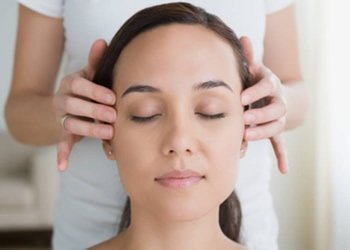
- Shiro-Abhyanga – Indian Head Massage. As the common name suggests this massage technique comes from India and to be more precise is a Traditional Ayurvedic treatment. It is type of massage derived from the Ayurvedic tradition that focuses on the head, shoulders and neck. According to the ancient system ofAyurveda, the head area holds great healing potential. It is an area of the body with the highest density of Marma points (energy channels) and other energy gateways into the body (this is a similar to acupressure points in Traditional Chinese Medicine). In Ayurveda, Marma points are used in Abhyanga & Shiroabhyanga. These points are used to unblock energy channels & encourage the flow of energy (prana) in the entire body.
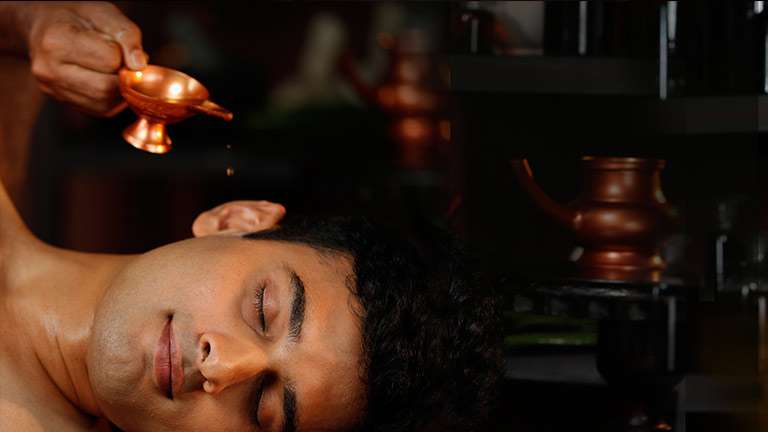
- Shirodhara – Continuous oil pouring on the head. In the Sanskrit language. Shirodhara is composed of two words “Shiro” + “dhara”. Shiro means head and dhara means continuous stream. In Ayurveda this treatment involves the continuous pouring of liquid on the forehead between the eyebrows for a specific period. This deeply therapeutic treatment synchronises brainwaves and profoundly coordinates and calms the mind, body and spirit. Shirodhara enhances blood circulation to the brain, improves memory, nourishes the hair, and scalp and generally aids in release of stress and tension. Shirodhara takes up to 1.5 hours. It commences with a short head massage (Shiro-Abhyanga) & then the patient lies down for the Shirodhara. The oil is poured for a minimum of 30minutes depending on the clients state of health or condition being treated.
- Ubtan -Ayurvedic Facial with organic herbs. An ubtan is actually a blend of choornas (herbal powders), floral waters and herbal oils that is applied to the face or body for a specific effect (cleanse, nourish, soothe, etc). At Satmya, all ubtans are freshly prepared from the finest, natural & organic ingredients. The treatment lasts about 1 hour and is extremely relaxing. Each treatment commences with an Ayurvedic face massage using marma therapy, followed by an herbal steam. Once the face is thoroughly cleansed the Dosha specific Ubtan is applied. After the Ubtan is removed, an Ayurvedic herbal oil is applied to the skin.

