

Ayurveda: The Science of Life
Ayurveda, often referred to as the “Mother of All Healing,” is considered the world’s oldest system of natural medicine. Originating in India over 5,000 years ago, its name comes from Sanskrit — Ayur meaning “life” and Veda meaning “knowledge” or “science.” Thus, Ayurveda translates to “The Science of Life.”
What to Expect from an Ayurvedic Consultation
An Ayurvedic consultation is a personalised journey that helps uncover the root causes of health issues, enhance self-awareness, and guide you toward greater mental and physical wellbeing.
Your Consultation Will Typically Include:
1. Confidential Health Profile
Your practitioner will review your full case history to understand your current health condition and identify underlying imbalances.
2. Diagnostic Observations
You may undergo traditional Ayurvedic assessments such as:
- Pulse diagnosis
- Tongue analysis
- Nail and/or iris analysis (iridology)
3. Dosha Identification
Discover your unique dosha constitution (Vata, Pitta, Kapha) and how imbalances may be affecting your health.
4. Personalized Advice & Remedies
At the end of the session, you will receive a tailored wellness plan that may include:
- Dietary guidance
- Lifestyle recommendations
- Ayurvedic herbal medicines or natural remedies
Begin your path to balance and vitality — guided by the timeless wisdom of Ayurveda.

Foundations of Ayurveda
Rooted in the ancient Vedic culture, Ayurvedic knowledge was traditionally passed down through oral transmission from masters to disciples. While some of this wisdom was later written down, a large portion remains inaccessible or hidden in traditional teachings. Many contemporary natural healing systems such as Homeopathy and Naturopathydraw inspiration from Ayurvedic principles.
Core Concepts: The Three Doshas
Ayurveda emphasizes the importance of balance — particularly the balance of three fundamental energies or Doshas:
- Vata (Air & Ether): Governs movement, circulation, and the nervous system.
- Pitta (Fire & Water): Governs metabolism, digestion, and energy production.
- Kapha (Earth & Water): Governs structure, lubrication, and immunity.
Everything in the universe, including the human body, is composed of five elements: Earth, Water, Fire, Air, and Ether. These combine to form the Doshas, which govern all biological, psychological, and physiological functions.
Each individual has a unique constitution (Prakruti), which is a specific combination of these Doshas determined at conception. This remains relatively stable throughout life. However, factors such as stress, diet, weather, trauma, and emotions can disturb the natural balance (Vikruti), leading to imbalance and disease.
The Ayurvedic Approach to Health
Ayurveda places significant emphasis on prevention, harmony, and maintaining balance through:
- Proper diet and digestion
- Balanced lifestyle and daily routines
- Mindful thinking and behavior
- Use of herbs, massage, and cleansing therapies
This approach seeks to anticipate imbalances before they manifest as disease, aiming to correct subtle disruptions in energy and function at their earliest stages.
Pulse Diagnosis & Understanding Your Constitution
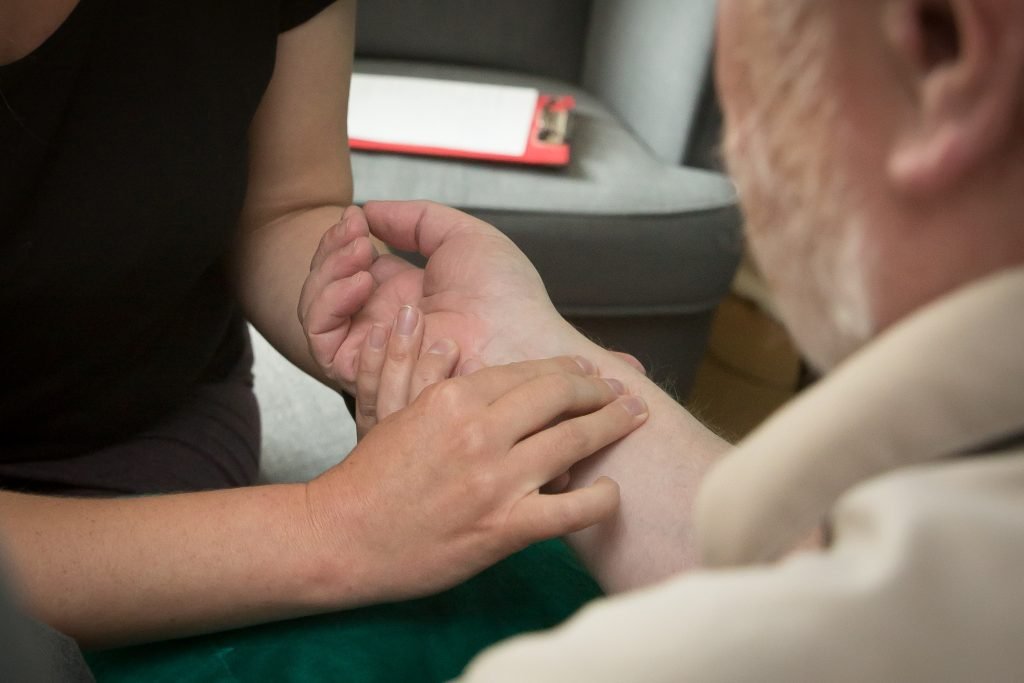
Just as every person has a unique fingerprint, each individual also has a distinctive pattern of energy — a combination of physical, mental, and emotional characteristics. Ayurveda uses tools such as Pulse Diagnosis to assess this constitution (Prakruti) and any current imbalances (Vikruti).
People may have a single Dosha dominance or a combination:
- Vata-Pitta
- Pitta-Kapha
- Vata-Kapha
Understanding your Dosha allows you to tailor your lifestyle, diet, and habits to maintain or restore harmony within your body.
Recognizing Imbalances Before Disease Occurs
Many times, we feel “off” — tired, irritable, bloated, or foggy — yet clinical tests show nothing wrong. This is often an early sign of Dosha imbalance. Ayurveda teaches us that disease starts subtly, and if addressed early, serious conditions can be prevented.
Diagnosis & Treatment in Ayurveda
Ayurvedic practitioners use several tools for diagnosis:
- Direct questioning and detailed patient history
- Observation (skin, tongue, eyes, voice, behavior)
- Pulse diagnosis
- Inference and intuition
Treatments may include:
- Diet and lifestyle modifications
- Herbal formulations
- Massage and body therapies (Abhyanga, Shirodhara, etc.)
- Cleansing protocols like Panchakarma to remove toxins (Ama)
- Meditation, yoga, and breathing practices
The treatment is always personalized — what works for one person may not work for another.
Ayurveda and Western Medicine: A Complementary Relationship
While Western allopathic medicine focuses primarily on symptoms and diseases, Ayurveda focuses on energy, balance, and prevention. Both systems have their strengths. Ayurveda does not oppose modern medicine; instead, it can be used in conjunction to:
- Support the body during illness
- Rebuild strength after medical treatments
- Reduce side effects of pharmaceuticals
- Prevent future imbalances
Ayurveda does not claim to replace modern medical care, especially in acute or life-threatening conditions, but it offers a powerful complementary framework.
A Holistic Path to Wellness
Ayurveda is a comprehensive system that addresses the body, mind, and spirit. It recognizes each individual’s unique constitution and provides tools to restore balance and harmony in one’s life. By cultivating self-awareness and making informed lifestyle choices, anyone can experience the transformative benefits of this ancient science.
“When diet is wrong, medicine is of no use. When diet is correct, medicine is of no need.” – Ayurvedic Proverb